Redefining The Rules: A Digital Literacy Guide for Boys and Young Men
Why This Matters
Every day, boys and young men are navigating digital spaces and immersed in messages about what it means to be a man. These messages can have a profound impact on how they see themselves and others. The belief that they must be aggressive, dominant, or emotionally tough can shape their wellbeing in lasting ways and influence how they treat their peers and partners, especially girls and women.
This guide is designed to support young men in critically navigating digital spaces and reducing harmful online behavior. Using accessible language, infographics, and real-life examples, the guide encourages reflection, accountability, and skill-building around online safety and digital responsibility. It explores the impact of social media and gaming culture on identity, behavior, and relationships, while challenging harmful stereotypes about masculinity that often show up in digital spaces.
This guide also addresses how behaviors such as harassment, pressure, or controlling behavior online can contribute to unhealthy relationships and, in some cases, connect to abusive behavior in real life. In addition to social media, group chats, and other online spaces, the toolkit includes a companion handout focused on staying safe while gaming. The handout offers practical strategies to promote safer and more mindful participation in gaming environments.
Understanding Online Culture, Masculinity, and Relationships

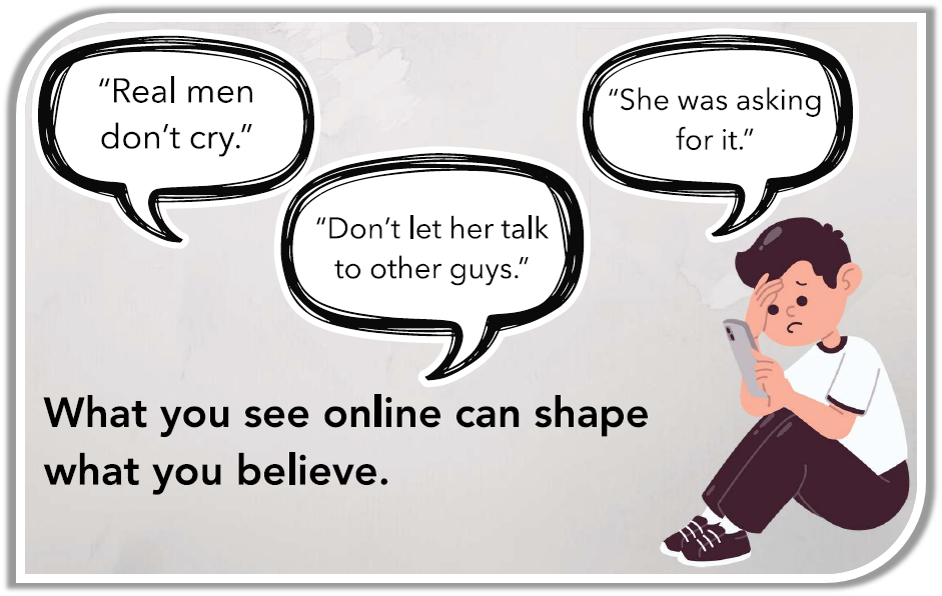
Memes, comments, and videos often send messages about what it means to be a man. Some of these messages are harmful, even when they seem like jokes. Over time, they can influence how you think about yourself, your emotions, and how you treat others.
Seeing the same harmful ideas over and over can take a toll and can lead to stress, anxiety, and loneliness. They can make it harder to express feelings, ask for help, or build honest connections with others.
Over time, these messages can also affect relationships. Conflicts feel normal, emotions feel unsafe, or respect feels optional. Even when no one means harm, the impact can still be real.
Understanding Harmful Online Content and Supporting Young Peoples’ Digital Safety
Some games and online spaces include physical, emotional, and sexual violence involving adults, children, and youth. In some cases, there are even games developed where children are placed in horror or violent situations, including scenarios where they must escape threats of sexual violence. This is not appropriate for youth exposure and raises serious concerns about safety and impact. This content is not harmless. Repeated exposure to or engagement with these depictions can shape how young people understand harm, consent, and relationships, especially when content is highly realistic or emotionally intense.
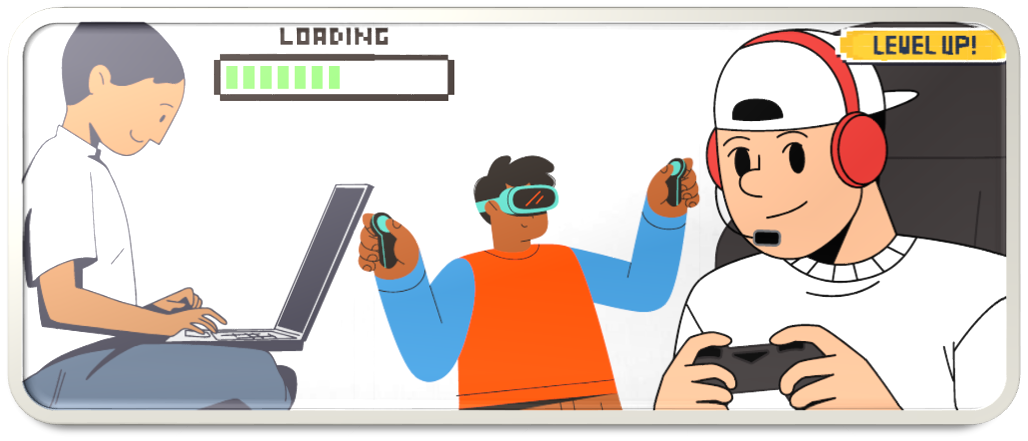
Research on Game Transfer Phenomena (GTP) shows that after playing immersive video games, some players may experience short-term carryover effects, such as seeing images, hearing sounds, or having thoughts from the game briefly appear in real-life awareness. These effects are temporary and do not mean people cannot tell the difference between reality and fiction. However, they do show that highly engaging digital environments can influence attention and perception in the short term, and that game content can sometimes “carry over” into how people think or interpret what they see (Ortiz de Gortari & Griffiths, 2016).
This is not about saying that games directly cause real-world violence or that gameplay equals real-life behavior. Instead, it highlights that immersive and repeated exposure to certain content and media can affect how experiences are processed in the moment, which is why context, reflection, and support matter.
Trusted adults have an important responsibility to create space for conversation about this content. Young people should not be expected to process it alone. Instead, trusted adults need to intentionally create safe, nonjudgmental opportunities for youth to talk about what they are seeing online, ask questions, and name content that feels confusing, inappropriate, upsetting, or harmful.
Digital Abuse vs Digital Safety: Learn the Signs
Here are some examples of what digital abuse and digital safety might look like:
-
Digital abuse is when someone uses technology, like phones, social media, gaming platforms, or messaging apps, to control, pressure, threaten, harass, or hurt someone. It can happen in relationships, friendships, or online interactions.
-
Using technology to monitor, control, threaten, or harass a partner or friend
Demanding access to someone’s passwords, location, or private messages
Sending threatening or intimidating messages
Sharing private images without consent
Spreading rumors or private information about someone online
Using social media to publicly humiliate, mock, threaten, or shame a partner or friend
Pressuring someone to respond right away
-
Whether texting, posting, gaming, or in a group chat, digital safety is about protecting yourself and others while using technology. It means making choices online that support your privacy, boundaries, and wellbeing.
Digital safety can include:
Keeping personal information (like your location, passwords, or private photos) secure
Knowing when to mute, block, or report harmful behavior
Taking breaks from online spaces when things feel overwhelming
Everyone deserves to feel safe online and in person!
Privacy tip!
Be your own digital detective! Explore what information may be online about you, and how your profiles look to people outside of your friends list. Depending on the platform, you may be able to log out and search for your profile or use a search engine to see what other people see.
Recognizing the Impact
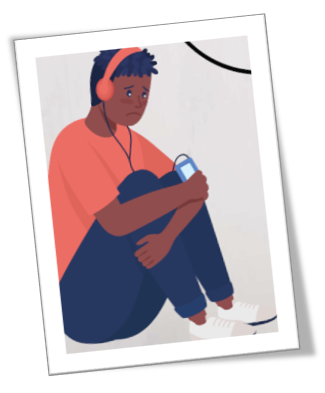
Boys and young men can also experience digital abuse, even though it’s not always recognized or talked about. Messages about how emotions “should” be shown can make it feel uncomfortable or shameful to seek support. Experiencing digital abuse is not the fault of the person being harmed, and it does not make them weak. Everyone has the right to feel safe, online and offline. When support isn’t available or accessed, the harm can deepen.
None of this happens overnight—but repeated messages can quietly influence mental health, behavior, and relationships.
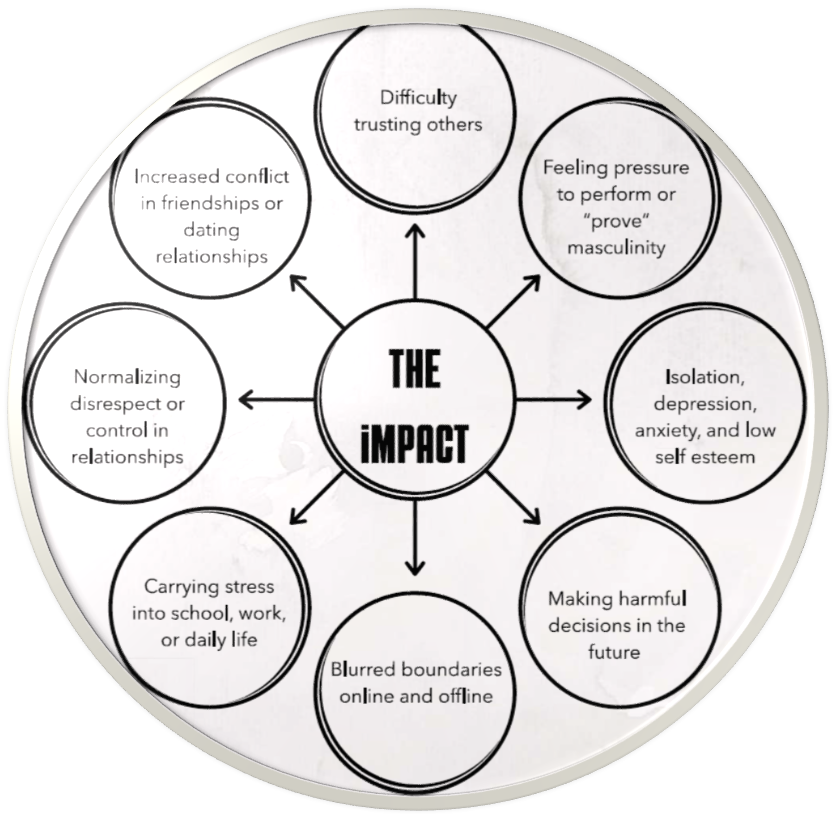
The impacts of digital abuse on boys and young men can include:
Difficulty trusting others,
Feeling pressure to perform or “prove” masculinity,
Isolation, depression, anxiety, and low self-esteem,
Making harmful decisions in the future,
Blurred boundaries online and offline,
Carrying stress into school, work, or daily life,
Normalizing disrespect or control in relationships, or
Increased conflict in friendships or dating relationships.
What Can You Do?
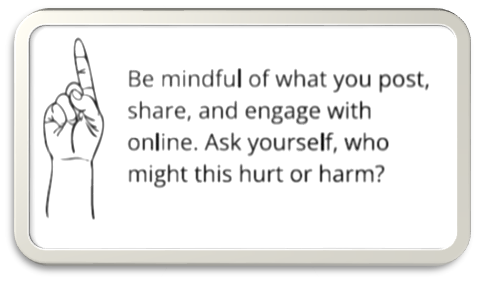
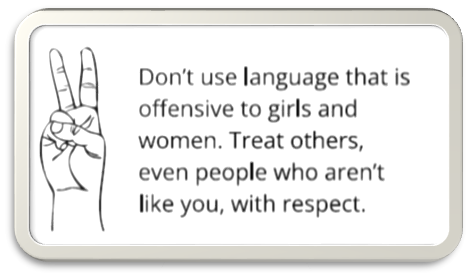
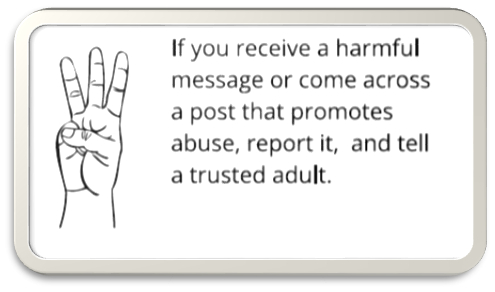
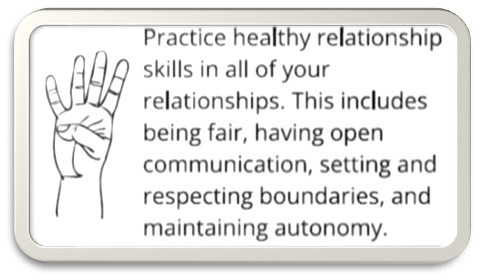
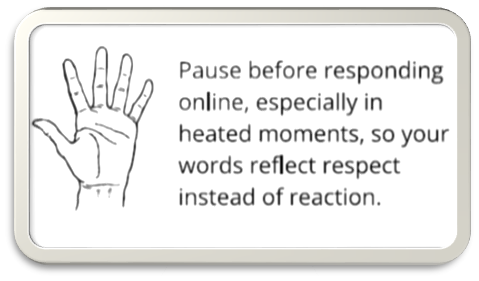
What we do online matters, and we all have a role in building environments rooted in respect, accountability, and care. On the right are five ways you can help keep yourself and others safe online.

Gaming Safely
-
Be mindful of sharing your location while gaming, it can reveal personal information and affect your safety.ion text goes here
-
Taking breaks from gaming helps protect your mental health, reduce stress, and keep your experience balanced.
-
Protect your identity by not sharing personal information and using tools like privacy settings and voice masking when available.
-
Knowing how to report harmful behavior helps you respond when something isn’t right and supports safer gaming spaces for everyone.